


Australia, the world’s driest inhabited continent, faces significant challenges related to water scarcity due to climate change and a growing population. To meet these challenges, the country has turned to water desalination as an alternative to traditional water sources.
What is water desalination?
Water desalination is a vital process that involves the removal of salt and other impurities from saline water, primarily seawater, in order to render it safe and suitable for human consumption, agricultural activities, industrial applications, and other essential uses. In arid and water-stressed regions around the globe, desalination technology has emerged as an increasingly crucial solution to address the growing demands for freshwater resources.
Desalination plays a critical role in ensuring water security, particularly in areas where conventional water sources, such as rivers, lakes, and groundwater, are insufficient or threatened by factors like climate change, over-extraction, and pollution. As the world’s population continues to expand and freshwater resources become scarcer, the need for alternative water supply methods has become more pressing, leading to a surge in interest and investment in desalination technologies.
The primary objective of desalination is to transform saline water into potable water by eliminating dissolved salts, minerals, and other impurities. This process not only provides a source of drinking water for millions of people but also supports industries, agriculture, and ecosystems that rely on clean water to thrive. In many coastal communities, desalination has become a lifeline, helping to alleviate the pressure on existing water resources and ensuring that the growing water demands are met.
Desalination technology has advanced significantly over the years, with ongoing research and development aimed at enhancing the efficiency and cost-effectiveness of the process. Modern desalination techniques have improved in terms of energy consumption, water recovery rates, and environmental impact, making them more attractive and viable options for a diverse range of applications.
In addition to seawater desalination, the process can also be applied to brackish water (water with a lower salt concentration than seawater) and wastewater, further expanding the potential applications of this technology. By reclaiming and purifying these alternative water sources, desalination can contribute to more sustainable water management practices and reduce the burden on traditional water sources.
As climate change continues to exacerbate water scarcity issues, and as the global population increases, the importance of water desalination as a means of securing freshwater resources cannot be overstated. By harnessing the power of desalination technology, communities in arid and water-stressed regions can gain access to a reliable, sustainable, and life-sustaining source of fresh water, helping to ensure a more water-secure future for generations to come.
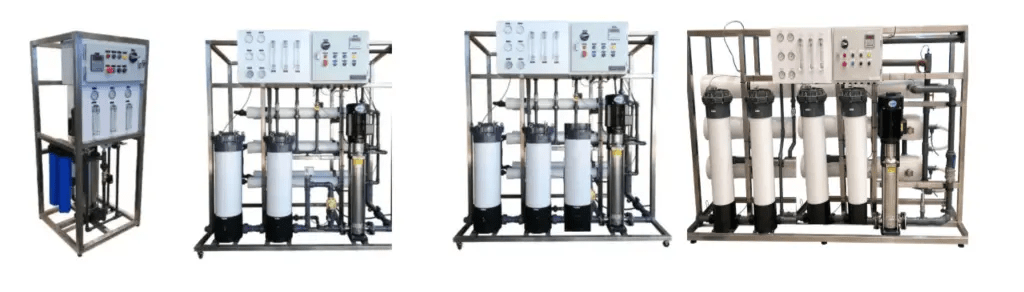
Our products are commonly used in communities or remote areas for daily drinking water access, boat water desalination, food and beverage processing plants, oil and gas industry, boiler water supply, agricultural irrigation, emergency response services, etc\


 aquapurehitech-australia.com -