Our Industrial Solar Power systems are made in Australia, they have a service life of over 35 years when serviced regularly.
Discover the numerous advantages of solar energy containers as a popular renewable energy source. From portable units to large-scale structures, these self-contained systems offer customizable solutions for generating and storing solar power. In this guide, we’ll explore the components, working principle, advantages, applications, and future trends of solar energy containers.
Section 1: Components of a Solar Container
- Photovoltaic panels: Learn about the crucial role of solar panels in converting sunlight into electricity.
- Power inverter: Explore how the power inverter transforms direct current (DC) into usable alternating current (AC).
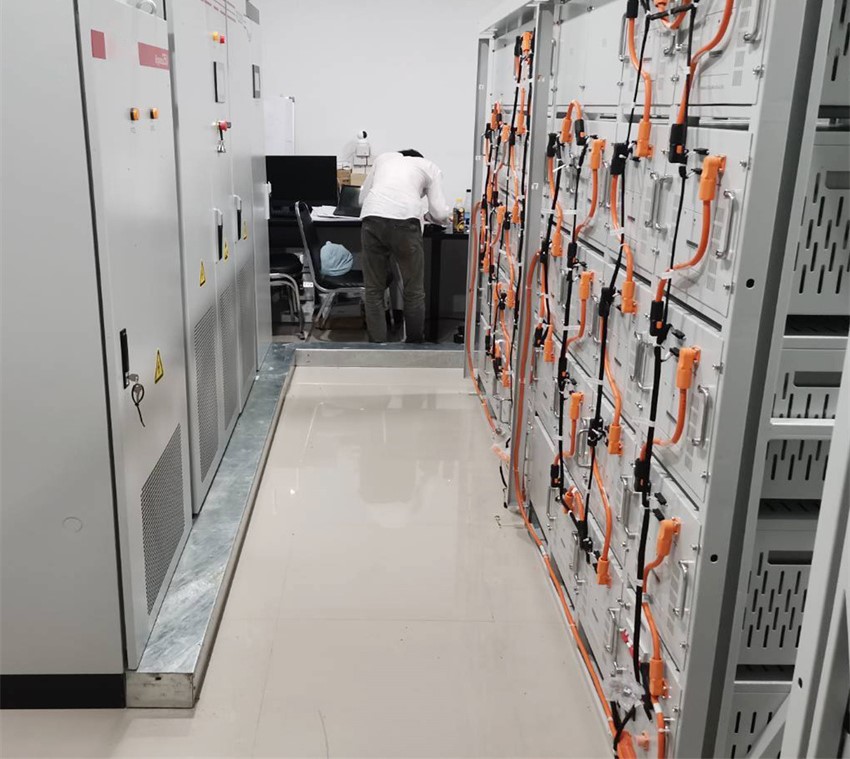
- Energy storage system: Discover the importance of batteries in storing excess solar energy for uninterrupted power supply.
- Charge controller: Understand how charge controllers regulate the flow of electricity from panels to batteries, ensuring optimal performance.
- Electrical wiring and connections: Find out why proper wiring and connections are essential for efficient power transmission.
Section 2: How Solar Containers Work
- Explore a step-by-step breakdown of how solar containers harness and store solar energy.
- Understand the process of converting sunlight into DC electricity through photovoltaic panels.
- Learn how charge controllers and battery packs ensure continuous power availability.
- Discover the role of inverters in converting stored DC power into usable AC power.
Section 3: Advantages of Solar Containers
- Clean and renewable energy: Highlight the environmental benefits of solar power, reducing reliance on fossil fuels.
- Cost-effectiveness: Emphasize the long-term savings associated with solar energy containers.
- Portability and versatility: Showcase the flexibility and adaptability of these self-contained units.
- Multifunctionality: Discuss how solar containers can power various applications, making them a versatile energy solution.
Section 4: Applications of Solar Containers
- Remote power for off-grid locations: Highlight the ability of solar containers to provide electricity to remote communities, mining sites, and oil rigs without extensive infrastructure.
- Emergency backup power: Showcase the usefulness of solar containers during power outages, particularly in critical facilities like hospitals, data centers, and emergency response centers.
- Event or construction site power banks: Emphasize the convenience and eco-friendliness of solar containers as mobile power sources for temporary setups.
- Sustainable energy for homes and businesses: Highlight the viability of solar containers as clean energy solutions for residential and commercial buildings, especially when combined with energy storage systems.
Section 5: The Future of Solar Containers
- Technological advancements: Discuss ongoing innovations in photovoltaic panel efficiency, battery storage capacity, and inverter performance.
- Increased adoption in developing countries: Highlight the potential for wider usage of solar containers in areas lacking grid access, promoting energy independence and reducing reliance on traditional fuels.
- Integration with smart grid systems and energy storage solutions: Explore the benefits of combining solar containers with smart grid technologies and advanced energy storage solutions for enhanced efficiency and control.


 aquapurehitech-australia.com -