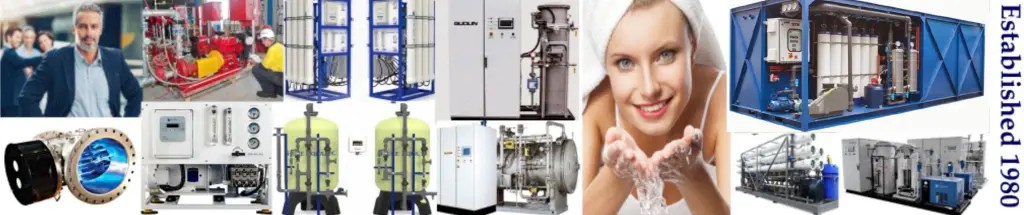
Our municipal wastewater treatment system integrates multiple water treatment systems to effectively extract impurities and generate high-quality discharge.
Access to clean water is a fundamental human right and a cornerstone of sustainable development. However, rapid population growth, industrial expansion, and climate change have placed immense pressure on global water resources, leading to widespread water scarcity and pollution. Municipal wastewater, a complex mixture of domestic, commercial, and industrial effluents, represents a significant source of environmental contamination if not properly treated. It contains a diverse array of pollutants, including organic matter, nutrients (nitrogen and phosphorus), suspended solids, heavy metals, pathogens, and emerging contaminants such as pharmaceuticals and personal care products. The discharge of untreated or inadequately treated municipal wastewater into natural water bodies can lead to severe ecological damage, including eutrophication, oxygen depletion, loss of biodiversity, and the spread of waterborne diseases, posing substantial risks to both human health and the environment.
Historically, wastewater treatment has evolved from rudimentary physical separation techniques to sophisticated multi-stage processes aimed at achieving higher effluent quality. Conventional wastewater treatment plants (WWTPs) typically involve primary, secondary, and sometimes tertiary
treatment stages to remove various pollutants. While these conventional methods have been effective in reducing the pollutant load, they often face challenges such as high energy consumption, significant sludge production, and inefficiency in removing recalcitrant and emerging contaminants. Consequently, there is a growing imperative to develop and implement more advanced, sustainable, and resource-efficient wastewater treatment technologies.


 aquapurehitech-australia.com -