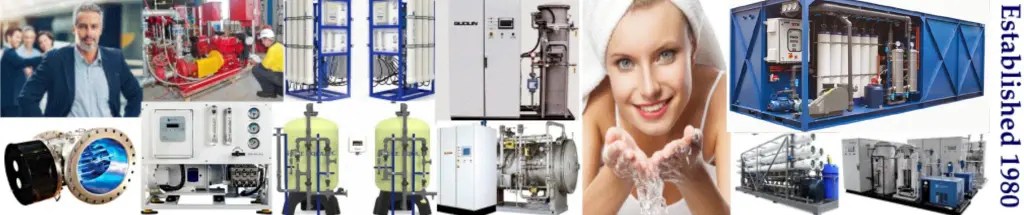

Our products are widely used in municipal drinking water, waste water, aquaculture industry, sewage, flue gas denitrification, chemical oxidation, petroleum, semiconductor, pharmaceutical, medical, agriculture and other fields.
Municipal drinking water treatment is crucial for protecting public health and the environment. One of the most important steps in this process is disinfection, which ensures that harmful pathogens such as bacteria, viruses, and parasites are eliminated from the water before it is released back into the environment or reused. Traditionally, chemical disinfectants like chlorine have been used for this purpose. However, ozone technology is emerging as a superior, eco-friendly solution for municipal drinking water disinfection.
We offer advanced ozone systems designed to meet the unique challenges of municipal wastewater treatment. Our ozone generators provide a chemical-free, highly efficient solution for disinfection, ensuring compliance with environmental regulations while safeguarding public health and ecosystems.
The Importance of Drinking Water Disinfection
Municipal drinking water contains a variety of pathogens that can cause serious health issues if released into the environment without proper treatment. Disinfection is the final step in wastewater treatment, targeting these microorganisms to prevent the spread of waterborne diseases and environmental contamination.
Common pathogens found in untreated wastewater include:
- Bacteria: E. coli, Salmonella, and Vibrio
- Viruses: Hepatitis A, Norovirus, and Rotavirus
- Protozoa: Cryptosporidium and Giardia
- Helminths: Parasitic worms that can be harmful to humans and animals
Disinfecting drinking water is essential for ensuring that it is safe for discharge into rivers, lakes, or oceans or for reuse in applications like irrigation.
Why Choose Ozone for Drinking Water Disinfection?
- Powerful Disinfection Properties: Ozone (O3) is one of the most powerful oxidizing agents available for water treatment. It effectively destroys a wide range of microorganisms by breaking down their cell walls, ensuring comprehensive disinfection. Ozone’s effectiveness is not affected by variations in pH or temperature, unlike other disinfectants.
- Chemical-Free and Eco-Friendly: Ozone disinfection is a chemical-free process. Unlike chlorine, which leaves harmful by-products (such as trihalomethanes and haloacetic acids) in the water, ozone breaks down into oxygen after its job is done. This makes it an environmentally friendly option that does not introduce toxic substances into the water or air.
- Shorter Contact Time: Ozone works more quickly than traditional chemical disinfectants. In municipal drinking water systems, ozone can achieve disinfection in a much shorter contact time, reducing the space and infrastructure needed for the disinfection process. This can lead to more efficient plant operations and lower operational costs.
- Eliminates Resistant Pathogens: Ozone is highly effective at eliminating chlorine-resistant pathogens such as Cryptosporidium and Giardia, which are responsible for numerous outbreaks of waterborne diseases. This makes ozone an ideal solution for ensuring the safety of treated wastewater.
How Ozone Disinfection Works in Drinking Water Treatment
The process of ozone disinfection involves generating ozone gas using an ozone generator, which converts oxygen (O₂) into ozone (O₃) through electrical energy. The ozone gas is then dissolved into the drinking water, where it reacts with and destroys microorganisms through oxidation.
The benefits of using ozone in drinking water disinfection include:
- Pathogen Elimination: Ozone is capable of killing a wide spectrum of microorganisms, including bacteria, viruses, and protozoa.
- No Harmful By-Products: Ozone breaks down into oxygen, leaving no residual chemicals in the water.
- Efficient Operation: Ozone disinfection requires shorter contact times, reducing the size and complexity of disinfection systems.
The Advantages of Ozone Over Chlorine
- No Toxic By-Products: One of the biggest concerns with using chlorine for disinfection is the formation of disinfection by-products (DBPs) such as trihalomethanes (THMs) and haloacetic acids (HAAs). These compounds have been linked to various health risks, including cancer. Ozone, on the other hand, does not produce DBPs, making it a much safer option for wastewater disinfection.
- More Effective Against Resistant Organisms: Ozone is more effective than chlorine at killing chlorine-resistant pathogens, which are becoming an increasing concern in water treatment. Ozone’s ability to eliminate these hard-to-kill microorganisms provides a higher level of safety for wastewater disinfection.
- Reduced Chemical Use: Municipalities using ozone for disinfection can significantly reduce their reliance on harmful chemicals like chlorine. This not only lowers operational costs but also reduces the environmental impact of chemical use in water treatment.
Why Municipalities Should Choose Ozone for Drinking Water Disinfection
Ozone disinfection is rapidly becoming the preferred choice for municipalities seeking a safer, more efficient, and environmentally friendly solution for wastewater treatment. Pinnacle Ozone Solutions offers cutting-edge ozone systems that are designed to meet the specific challenges of municipal drinking water disinfection.
- Advanced Technology: Our ozone generators are equipped with the latest technology to ensure maximum efficiency and effectiveness in drinking water disinfection.
- Custom Solutions: We work closely with municipalities to design ozone systems tailored to the specific needs of their drinking water treatment facilities.
- Sustainable Approach: Ozone offers a green, chemical-free solution that minimizes the environmental impact of drinking water treatment.


 aquapurehitech-australia.com -