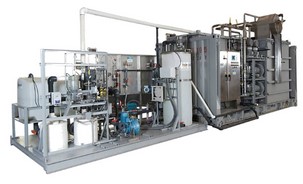
Our pharmaceutical wastewater treatment equipment integrates multiple water treatment systems to effectively extract impurities and generate high-quality discharge.
Pharmaceutical wastewater presents a concerning array of toxic chemicals, necessitating proper treatment and disposal to safeguard human health and the environment. These chemicals, including active pharmaceutical ingredients, antibiotics, solvents, and organic compounds, exhibit toxicity, flammability, and carcinogenicity, posing risks to living beings and ecosystems. Contaminants such as surfactants, emulsifiers, residual drugs, and metabolites further exacerbate the complexity of pharmaceutical wastewater. Conventional treatment technologies, such as activated carbon adsorption, oxidation processes, membrane filtration, and biological treatment, suffer limitations in effectively removal or neutralizing hazardous substances for the safe disposal of pharmaceutical wastewater if implemented individually.
Pharmaceutical pollution has emerged as a critical environmental issue, impacting water quality, aquatic ecosystems, and public health globally. Increasing pharmaceutical consumption and inadequate wastewater treatment have led to the persistence of active pharmaceutical ingredients (APIs) in natural water bodies, raising concerns over ecotoxicological effects and the proliferation of antibiotic resistance. This challenge is particularly pronounced in emerging economies, where rapid industrialization and limited regulatory frameworks exacerbate the problem.


 aquapurehitech-australia.com -