
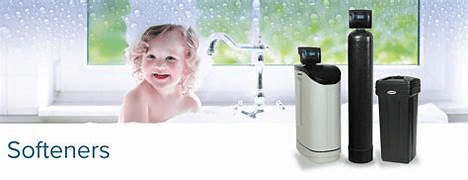
A water softener will save you money and energy over the long term. Here’s how.
- Reducing Scale Buildup in Pipes: Hard water leads to scale buildup and clogging in pipes. These effects diminish the efficient running of your water heater, meaning you need more energy to heat water. You can reduce your energy expenses with a water softener, as it will reduce the clogging of your pipes and appliances.
- Effective Soap Use: Soap reacts with the calcium and magnesium in water to form a salt that makes soap less effective. Skin and hair become dry, scratchy, and dull due to hard water. Clothes and sheets washed in hard water also become scratchy, and bright white items fade quickly. Softened water will lead to a richer lather of soap and shampoos with less quantity. Fabrics will last longer, your skin will feel smoother and less irritated, and your hair will feel soft and look shiny.
The Water Softening Process
Through the remarkable process of ion exchange, our water softeners effectively remove hardness-causing minerals from your water supply. Here’s a more detailed explanation of how it works:
- When hard water enters the resin tank of your water softener, the mineral ions present in the water carry a positive charge. As the water flows through the resin tank, these positively-charged calcium and magnesium ions are attracted to the negatively charged resin beads.
- The positively-charged mineral ions are replaced with sodium ions released by the resin beads. The resin tank then retains the calcium and magnesium ions.
- After the ion exchange, the water comes out of the tank softened due to the reduced levels of calcium and magnesium ions.


 aquapurehitech-australia.com -