
Seawater Reverse Osmosis Systems
Reverse osmosis (RO) remains the most widely used technology in desalination due to its effectiveness and scalability. Recent advancements have focused on improving membrane technology, enhancing durability, and reducing fouling—issues that have traditionally hampered efficiency. New membranes made from advanced materials like graphene or nanomaterials could significantly reduce energy requirements and operational costs.
Desalination is a physical procedure of separating the excess of dissolved salts from waters, brackish and seawater, or any aqueous salt solution in order to collect low-salt content water for any suitable use, such as drinking, industrial, pharmaceutical, municipal, or household water.
As the driest inhabited continent on Earth, Australia faces distinct and pressing challenges when it comes to securing sustainable water resources. With a growing population, increasing demands from agriculture, and the unpredictable nature of our rainfall patterns, the need for reliable, resilient water infrastructure has never been more critical. This infrastructure not only sustains urban centres but also underpins the livelihoods of regional and remote communities, which rely on it to grow the food, livestock, and crops essential to our daily lives.
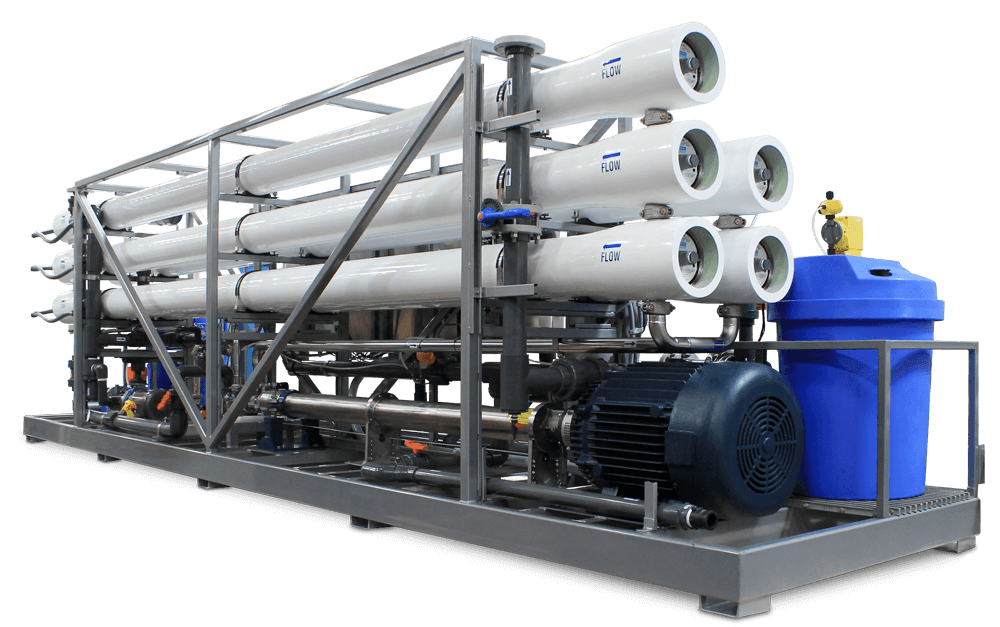
Seawater RO systems are usable anywhere from yachts to municipalities. It’s important to choose the correct materials of construction to handle seawater (which is highly corrosive). We use materials such as Duplex SS 2205, SS 2207 or Monel, and SS 904 to guarantee a longer operating life and less maintenance.


 aquapurehitech-australia.com -