
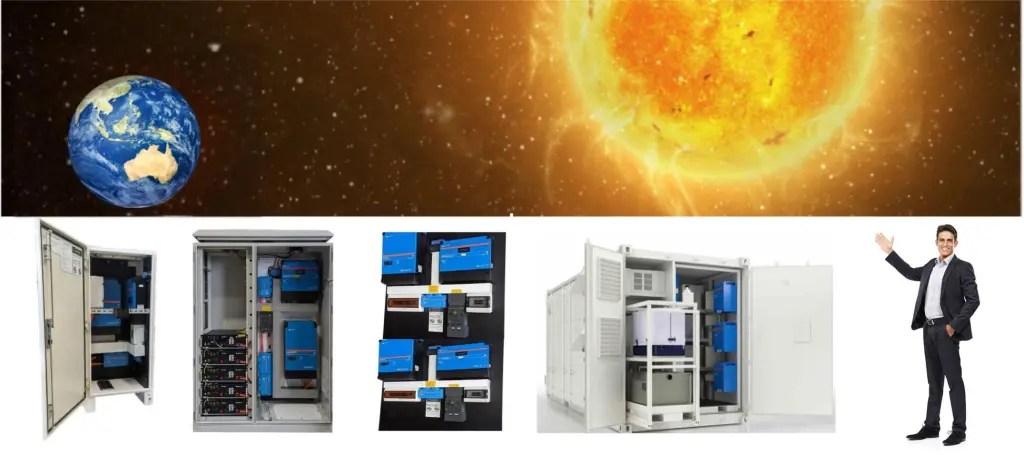
Australia’s solar power industry has emerged as a pivotal player in the global renewable energy sector. As one of the sunniest continents, Australia leverages its geographical advantage to harness solar energy, driving economic growth and contributing to global sustainability goals. The country’s commitment to reducing carbon emissions and transitioning to cleaner energy sources has seen exponential growth in solar panel installations, making it a significant contributor to the international renewable sector.
1. Solar Power Trends in Australia
The demand for solar power in Australia has surged due to increasing electricity prices, technological advancements, and supportive government policies. According to the Clean Energy Regulator, Australia had over 2.66 million rooftop solar installations by the end of 2023. These trends highlight a societal shift towards renewable energy adoption.
Homeowners and businesses are increasingly considering solar power as a viable alternative to traditional energy sources, driven by not only environmental consciousness but also the long-term financial savings associated with reduced energy bills.
2. Government Initiatives and Policies
The Australian government has been instrumental in promoting solar energy through policies like the Small-scale Renewable Energy Scheme (SRES) and various state incentives. These initiatives provide financial support and encourage the deployment of solar systems across both residential and commercial sectors.
The SRES is particularly impactful as it offers financial incentives to individuals and small businesses for installing eligible solar water heaters, small-scale solar panel systems, wind, and hydro systems.
Further, the Renewable Energy Target (RET), aiming to ensure 33,000 gigawatt-hours of electricity is sourced from renewable energies by 2020, was exceeded, bolstering the sector’s growth. This reflects a national consensus towards enhancing renewable infrastructure, presenting a significant step towards meeting international environmental commitments.
3. Technological Innovations
Technological advancements in solar power systems have played a crucial role in its feasibility as a mainstream energy source. Innovations such as advanced solar panels, battery storage solutions, and smart grid technologies have significantly improved efficiency rates and scalability for solar power.
Recently, bifacial solar panels that capture sunlight on both sides and floating solar farms on water bodies have introduced new dimensions to solar production. Additionally, energy storage advancements, including lithium-ion batteries, allow for excess energy storage, enhancing reliability even during non-sunny periods.
4. Economic Impact and Job Creation
The solar industry is not only beneficial for the environment but also for the economy. The sector has been pivotal in creating jobs, particularly in regions transitioning from traditional energy sectors. According to the Australian Bureau of Statistics, the renewable energy sector accounted for over 25,000 jobs in 2023, a significant increase from previous years.
Job creation spans across the supply chain, including manufacturing, installation, maintenance, and system integration roles. This diversification of the energy sector has spurred economic growth and positioned Australia as a hub for renewable energy development and expertise.
5. Environmental Benefits
The transition to solar power significantly reduces greenhouse gas emissions, aiding Australia’s commitment to reduce emissions under international agreements like the Paris Accord. By 2030, it is estimated that solar energy could offset approximately 25 million tonnes of CO2 emissions annually in Australia.
Solar power also conserves water, a critical resource in the dry Australian climate. Unlike traditional power generation methods, solar energy production requires minimal water consumption, aligning with broader sustainability practices.
6. Challenges in Expanding Solar Power
Despite its potential, solar power expansion in Australia faces several challenges. The intermittency of solar energy is a significant hurdle, requiring complementary technologies such as energy storage to ensure consistent supply.
Furthermore, the initial installation costs, while decreasing, can still be prohibitive for some households, particularly in lower-income brackets. The integration of solar power into the existing energy grid also presents logistical challenges that necessitate infrastructural upgrades.
7. Solar Power in Rural and Remote Areas
Solar power stands as a particularly viable solution for energy access in rural and remote Australian communities. These areas often lack connection to traditional energy grids, making solar systems coupled with battery storage an effective alternative.
Programs aiming to address energy disparities are actively promoting solar installations in these regions, providing energy autonomy and reliability to off-grid households. Solar power is also instrumental in rural agriculture operations, enabling sustainable practices through innovations such as solar-powered irrigation systems.
8. Global Position and Competitiveness
Australia’s commitment to solar power not only enhances its national energy grid but also strengthens its position in the global renewable energy market. With a robust supply chain for solar technologies, Australia is predicted to become a significant exporter of solar expertise and technology.
The continued investment in R&D is pivotal. By fostering collaboration between government, research institutions, and private sectors, Australia can maintain a competitive edge, contributing to global renewable energy advancements.
9. Financial Incentives for Solar Adoption
Incentives play a crucial role in motivating solar adoption. Government initiatives such as feed-in tariffs, rebates for solar PV installations, and low-interest loans facilitate easier access to solar technologies for consumers.
Moreover, these financial mechanisms are continuously evolving to keep pace with technological advancements, ensuring they remain attractive and relevant to potential adopters of solar systems.
10. Future Prospects and Opportunities
Looking forward, the integration of solar power solutions with emerging technologies such as blockchain for energy trading and deploying AI for energy optimization presents exciting opportunities. Communities can potentially trade surplus energy, leading to decentralized and democratized energy networks.
Australia’s ongoing efforts to advance solar power demonstrate a commitment to a sustainable energy future, offering a blueprint for green growth. As the solar sector continues to thrive within a supportive political and economic environment, its expansion promises substantial societal, economic, and environmental benefits.
Key Takeaways
- Australia’s solar power industry is witnessing rapid growth, supported by governmental policies and societal shift towards renewables.
- Innovations in solar technology continue to enhance efficiency and storage solutions, overcoming key challenges like energy intermittency.
- The industry is instrumental in job creation and economic diversification, particularly in post-fossil fuel regions.
- Environmental benefits include significant reductions in carbon emissions and water conservation.
- Challenges remain, especially regarding initial costs and grid integration, but ongoing R&D and policy support aim to mitigate these issues.
- Solar power provides critical solutions for energy access in remote areas, driving sustainable practices.


 aquapurehitech-australia.com -