Governments worldwide are striving to find effective solutions to address our planet’s environmental challenges. One area that’s coming into sharp focus is the treatment and reuse of municipal wastewater.
Wastewater treatment facilities play a vital role in maintaining public health by removing harmful contaminants from wastewater before they are released into the environment. These contaminants may include pathogens like bacteria, viruses, and parasites, which can cause a wide range of diseases, from cholera to hepatitis to typhoid. Treatment facilities rely on various disinfection and filtration methods to remove these pathogens and ensure that the treated water they release is safe for use in non-potable applications like irrigation and toilet flushing.
Chlorination has long been the go-to method for wastewater treatment. Still, concerns about its hazardous byproducts and the danger they pose to surrounding areas and human health have prompted many governments and municipalities to explore alternative disinfection methods.
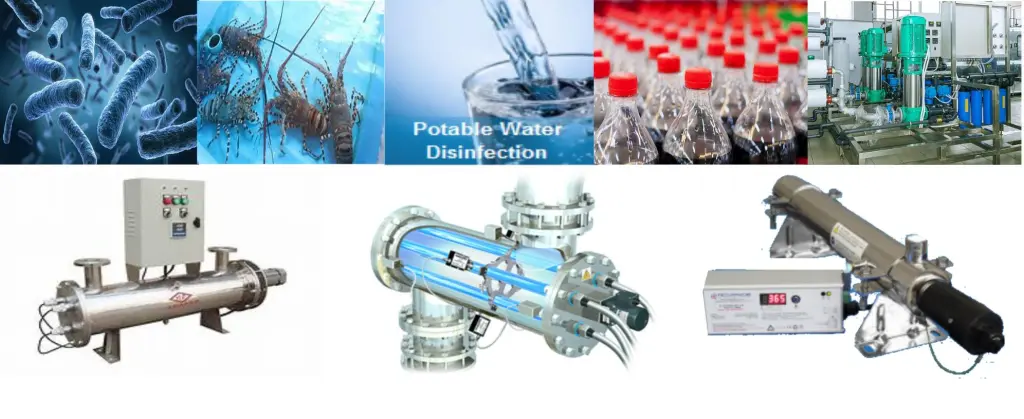
Ultraviolet (UV) treatment has emerged as a popular and effective solution among those alternatives.


 aquapurehitech-australia.com -