
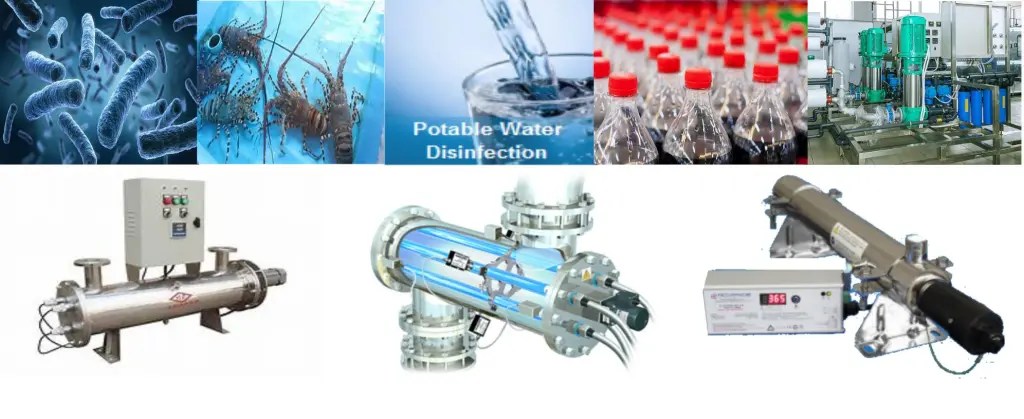
UV is a proven and reliable method of disinfection for municipal drinking water, wastewater, and reuse water. The highly efficient and sustainable process does not involve the use of added chemicals and reduces the risk of disinfection by-products by lowering chemical disinfection requirements. It is effective as both a primary and secondary barrier disinfectant. UV is also widely used as part of a multi-barrier treatment strategy, used as the primary disinfectant, followed by the addition of residual chlorine to protect the treated water throughout the distribution network.
How UV disinfection works
UV light provides effective inactivation of microorganisms such as bacteria, viruses, molds and other pathogens without the use of chemicals. UV light works by causing damage to the DNA or RNA found in all living species. Once the DNA becomes damaged, or dimerized, organisms, such as Cryptosporidium or E. Coli, are unable to carry out the routine cell functions of respiration, the assimilation of food and replication. Once the cell is rendered non-viable the organism quickly dies.


 aquapurehitech-australia.com -